





Wells Fargo ได้รับคำสั่งให้จ่ายเงิน 3.7 พันล้านดอลลาร์สำหรับ 'กิจกรรมที่ผิดกฎหมาย' รวมถึงการยึดสังหาริมทรัพย์และการยึดคืนยานพาหนะอย่างไม่ยุติธรรม


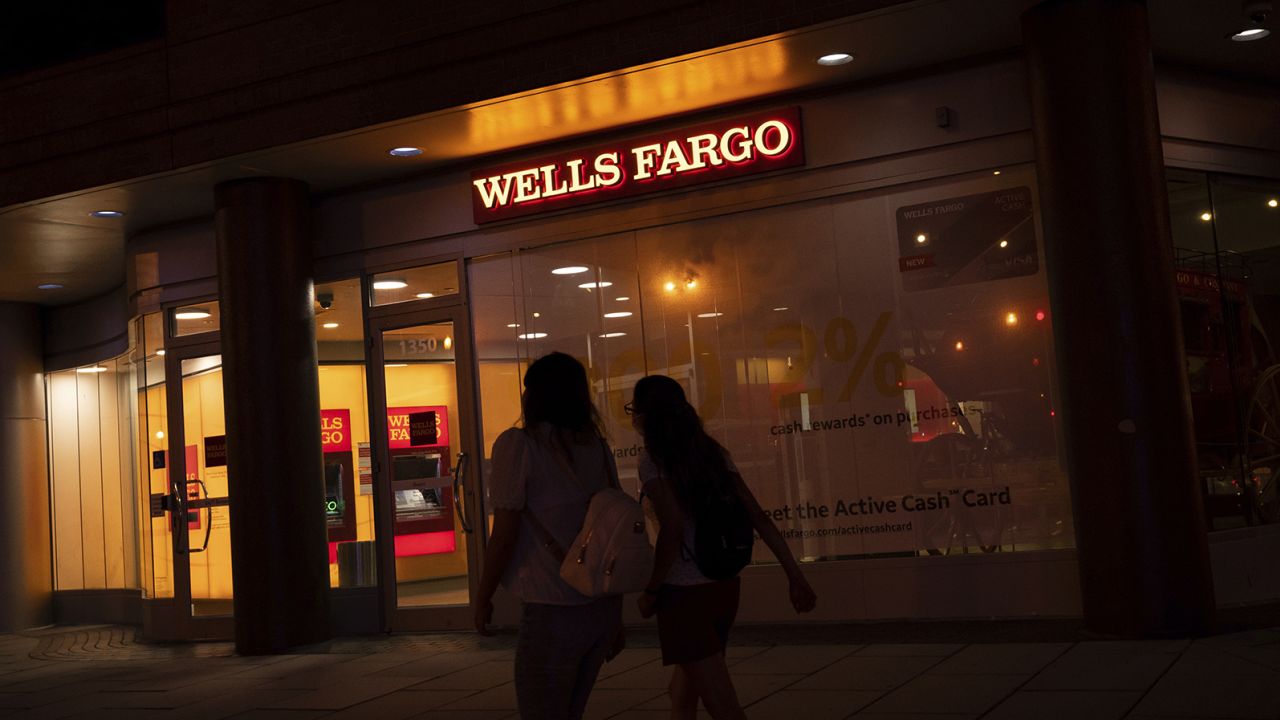
Federal regulators fined Wells Fargo a record $1.7 billion on Tuesday for “widespread mismanagement” over multiple years that harmed over 16 million consumer accounts.
The Consumer Financial Protection Bureau said Wells Fargo’s “illegal activity” included repeatedly misapplying loan payments, wrongfully foreclosing on homes, illegally repossessing vehicles, incorrectly assessing fees and interest and charging surprise overdraft fees.
The CFPB ordered Wells Fargo (WFC) to pay the $1.7 billion civil penalty in addition to more than $2 billion to compensate consumers for a range of “illegal activity.” CFPB officials say this is the largest penalty imposed by the agency.
The misconduct described by the CFPB echoes previously reported revelations that have emerged about Wells Fargo since 2016 when the bank’s fake-accounts scandal created a national firestorm.
“Wells Fargo’s rinse-repeat cycle of violating the law has harmed millions of American families,” Rohit Chopra, the CFPB’s director, said in a statement.
Officials also made clear on Tuesday that Wells Fargo is not nearly out of the penalty box with regulators.
‘Repeat offender’
Chopra described Wells Fargo as a “repeat offender” and a “corporate recidivist,” adding that Tuesday’s fine is just an “initial step” towards holding the bank accountable.
During a call with reporters, Chopra said the new settlement should not be read as a signal that “Wells Fargo has moved past its long-standing problems or that the CFPB’s work is done here.”
For instance, Chopra noted that the settlement does not provide immunity for individuals at Wells Fargo, and the agency recognizes the $3.7 billion in fines and restitution will not fix the bank’s problems.
Although Chopra credited Wells Fargo with making some progress, he said it’s not clear “they are making rapid enough progress” and said the agency is concerned that the bank’s product launches, growth initiatives and profit-boosting efforts have “delayed needed reform.”